How to Invest in Real Estate in Miami as an International Buyer
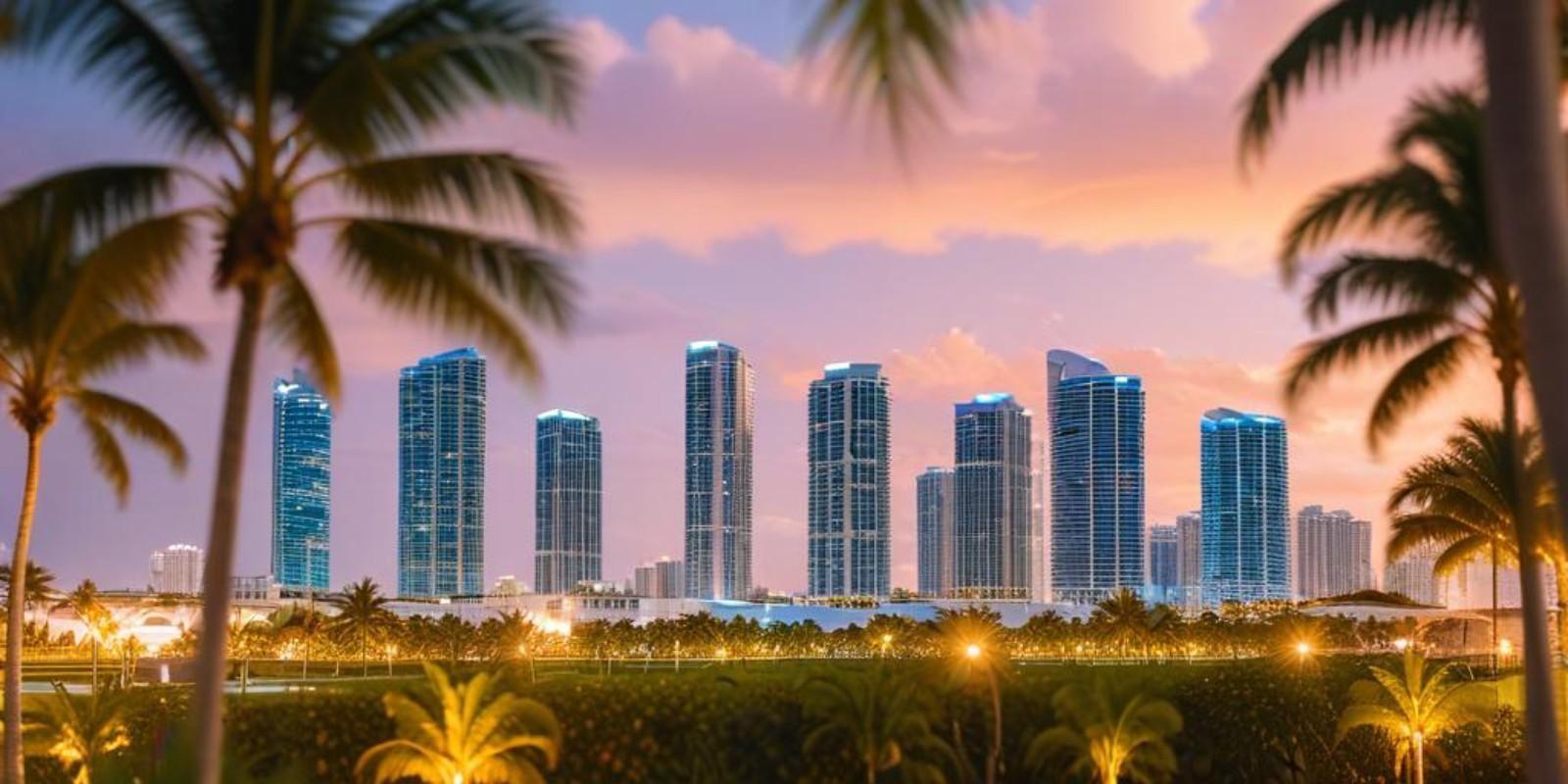
As Miami continues to thrive as a global real estate hub, international investors, especially from Latin America, find themselves increasingly drawn to the city’s diverse opportunities. Whether you’re looking for a vacation home, a rental property, or a long-term investment, understanding the intricacies of the Miami real estate market is essential. This guide will walk you through the process of acquiring residential properties in Miami, covering everything from necessary documents to insights on maximizing your return on investment (ROI).
The process of purchasing residential property in Miami begins with research and identifying the right location that fits your investment goals. Miami boasts a range of neighborhoods, each with its unique charm, amenities, and investment potential. Once you've established a target area, collaborating with a local real estate agent who understands both the market and the specific needs of international buyers can be a game changer.
After narrowing down your choices, the next step involves making an offer. This is typically facilitated through a purchase agreement, where you outline your offer price and any contingencies. Following acceptance, a due diligence period allows you to inspect the property, confirm its value, and ensure there are no legal issues. Once satisfied, you’ll move toward closing, the final step where ownership is legally transferred. Typical closing costs include title insurance, attorney fees, and recording fees, which can range from 2% to 5% of the property’s purchase price.
To navigate the acquisition process smoothly, having the correct documentation is crucial. Here’s a list of essential documents you’ll need:
Having these documents at your fingertips will not only expedite the buying process but also help you avoid potential legal pitfalls. Working with a knowledgeable attorney familiar with Florida real estate law is also highly advised.
Investing in Miami real estate comes with its set of tax obligations that every investor should consider. As a non-resident buyer, you are subject to different tax implications compared to domestic buyers. The most notable tax you should be aware of is the Foreign Investment in Real Property Tax Act (FIRPTA), which mandates that foreign individuals pay capital gains tax on the sale of their U.S. real estate. This tax can be as high as 15% of the profit from the sale, and it's important to plan for this before selling your investment property.
Additionally, property taxes in Miami can range from 1.0% to 2.0% of the assessed value, depending on the location. Annual property tax payments are crucial, as failing to meet these obligations can lead to foreclosure. Understanding these tax implications and planning your finances accordingly will enhance your overall investment strategy.
Maximizing your return on investment in Miami’s residential real estate market requires strategic planning and local market knowledge. Here are some practical tips to consider:
By implementing these strategies, you’ll position yourself for long-term success in the Miami real estate market. Every decision should align with your financial goals while remaining adaptable to market changes.
“In the world of real estate, knowledge is not just power; it is the pathway to prosperity.”
The Foreign Investment in Real Property Tax Act (FIRPTA) requires foreign investors to pay capital gains tax on real estate transactions in the U.S. It's crucial to be aware of this tax, as it can significantly impact your profits upon selling your property. Consulting with a tax advisor can help you plan for these implications effectively.
The length of the acquisition process can vary, but generally, it takes about 30 to 60 days from the time an offer is accepted to the closing date. Factors such as the property's condition, financing, and the speed of due diligence can influence this timeline.
Yes, many banks and financial institutions offer financing options for foreign investors, although requirements may be stricter than those for U.S. residents. Typically, investors need to provide a larger down payment, often 30% to 50%, and a credit history may be required.
Owning property in Miami involves several costs, including property taxes, homeowners insurance, maintenance fees, and, if applicable, homeowners association (HOA) dues. It’s essential to budget for these ongoing expenses to ensure a positive investment experience.
Yes, many property management companies in Miami specialize in managing properties for international owners. They handle everything from tenant communication to maintenance issues, making it easier for you to invest without being physically present.
“Your dream of owning a piece of Miami doesn't have to be just a dream. With the right knowledge and approach, that dream can become a reality.”
As you embark on your journey to invest in Miami’s thriving real estate market, remember that thorough preparation and local insights are your best allies. With the right strategy, you can navigate the complexities of property acquisition and position yourself for success in the vibrant Miami market.

Originally from Venezuela and now proudly based in Miami, Alicia Pulido blends local expertise with a global mindset. As a trusted Broker at Realty ONE Group Estate, she guides families, first-time buyers, and international investors across South Florida with integrity, care, and strategy.
Living in Doral with her husband and two sons, Alicia knows that home is more than a place — it’s where your story begins.
The Best Neighborhoods in Doral for Families in 2025
Doral, Florida, is a vibrant city perfect for Latino families, offering excellent schools, safety, and community spirit. Neighborhoods like Downtown Doral and Doral Isles provide modern amenities and cultural celebrations, making Doral an ideal place to call home.
Investing in Doral: A Smart Opportunity for Growth
Investing in Doral, Florida, offers a unique opportunity with its thriving economy, rapid population growth, and strong real estate market. With a supportive environment for businesses and a vibrant Latino community, Doral is an ideal choice for savvy investors seeking profitability.
Common Mistakes First-Time Homebuyers Should Avoid
First-time homebuyers in South Florida often make common mistakes such as insufficient financial preparation, overlooking research, ignoring hidden costs, skipping inspections, and emotional decision-making. This guide offers practical advice to avoid these pitfalls for a successful purchase.